AI-Powered Customer Experience: The Future of Digital Business
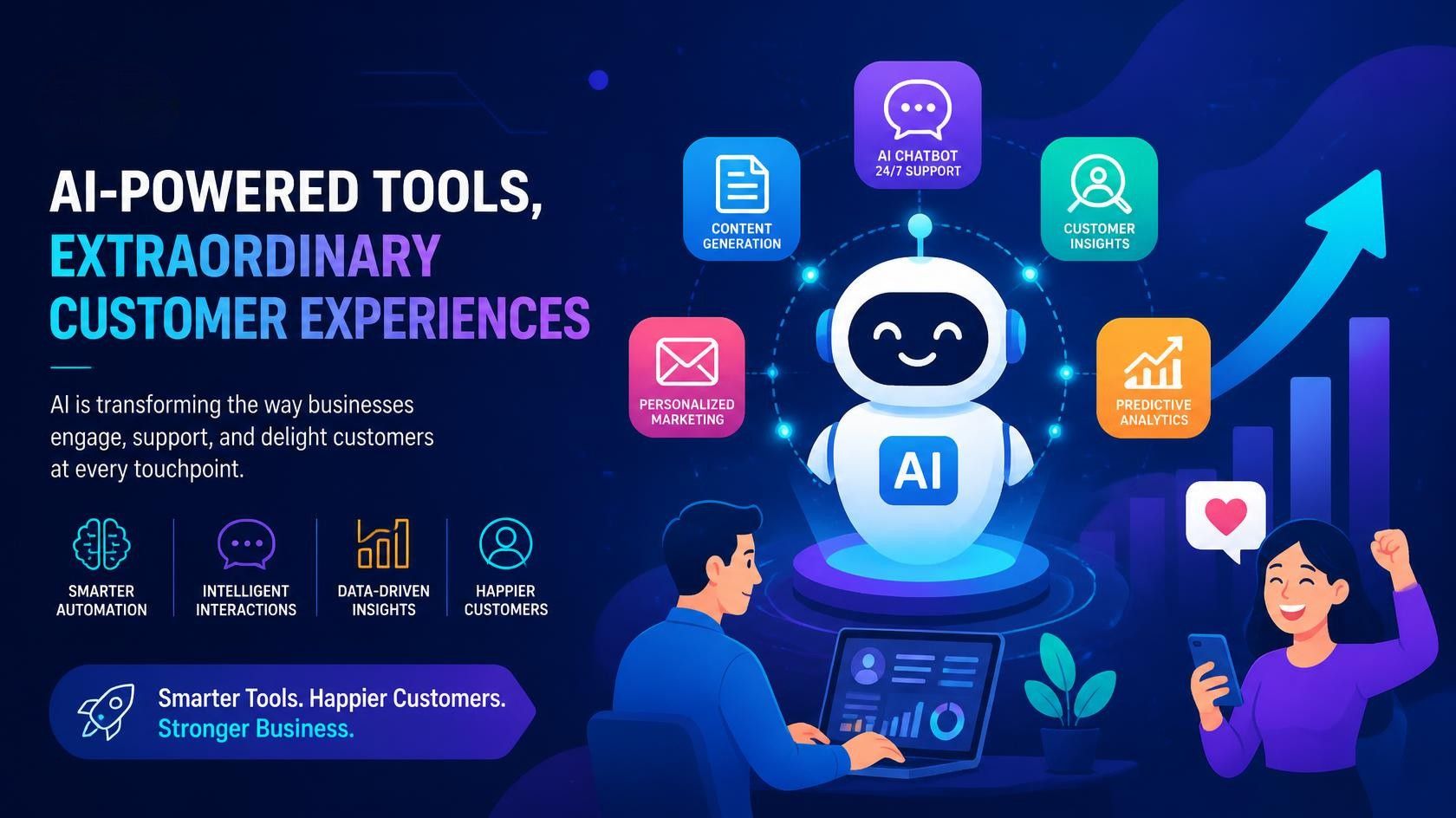
Explore how AI is helping businesses create more personalised, responsive and seamless customer experiences across digital channels.
Introduction
In a world where instant gratification has become the norm, businesses must evolve to meet customer expectations. Imagine a shopping experience where your preferences are anticipated before you even express them. This is not science fiction; it's the power of AI in shaping customer experiences.
AI technologies are transforming how businesses interact with customers. By leveraging data analytics, machine learning, and natural language processing, companies can create personalized experiences that not only satisfy but delight users. For example, Netflix uses AI algorithms to recommend shows based on viewing history, resulting in increased user engagement and satisfaction.
As we delve into the future of AI-powered customer experiences, consider the following:
- Personalization: Tailor offerings based on individual preferences.
- 24/7 Availability: Use chatbots for instant customer support.
- Predictive Analytics: Anticipate customer needs to enhance service.
By integrating AI thoughtfully, businesses can not only improve their customer service but also build lasting relationships. Let’s explore how AI can redefine the customer journey in the digital age.
Understanding AI Customer Experience
Understanding AI in customer experience involves recognizing how artificial intelligence transforms interactions between businesses and their clients.
- Personalization: AI enables companies to tailor experiences based on individual preferences. For instance, Netflix uses algorithms to recommend shows based on viewing history, significantly enhancing user engagement.
- Chatbots and Virtual Assistants: Many businesses deploy AI-driven chatbots to handle customer inquiries. For example, Sephora's chatbot can provide product recommendations and help with bookings, offering immediate assistance 24/7.
- Predictive Analytics: Companies can analyze customer data to predict future behavior. Amazon does this effectively by suggesting products based on past purchases, leading to increased sales.
Pro Tip: To effectively integrate AI into your customer experience strategy, start small. Implement AI tools in specific areas, like customer service or marketing, and measure their impact before scaling.
According to a 2024 survey by Statista, 75% of businesses adopting AI for customer experience reported improved customer satisfaction, underscoring the importance of embracing this technology.
The Role of AI in Customer Service
The integration of AI in customer service is revolutionizing how businesses interact with their customers. It streamlines operations, enhances satisfaction, and reduces costs. Here are some key ways AI is reshaping customer service:
- Chatbots and Virtual Assistants: Many companies use AI-driven chatbots to handle routine inquiries. For instance, Sephora’s chatbot helps customers with makeup tips and product recommendations, providing instant support 24/7.
- Personalization: AI analyzes customer data to deliver personalized experiences. Amazon’s recommendation engine, which suggests products based on browsing history, is a prime example of leveraging AI for tailored interactions.
- Predictive Analytics: Businesses can anticipate customer needs through AI analysis of past behaviors. For example, Netflix uses predictive algorithms to suggest shows and movies, enhancing user engagement.
Pro Tip: Implementing AI tools like natural language processing can significantly improve customer interactions. It can help in understanding customer sentiments, allowing for more empathetic responses.
As AI technology continues to evolve, its role in customer service will only expand, driving more efficient and consumer-friendly approaches.
AI Chatbots: Revolutionizing Customer Interactions
AI chatbots are transforming how businesses interact with customers, providing immediate support and personalized experiences. They can handle routine inquiries, freeing up human agents for more complex issues. This shift not only increases efficiency but also enhances customer satisfaction.
- 24/7 Availability: Customers can get answers at any time, which is crucial for global businesses. For instance, a company like Zendesk reports that chatbots have helped reduce response times by over 50%.
- Personalization: AI chatbots can analyze customer data to offer tailored recommendations. For example, Starbucks uses its chatbot to suggest drinks based on past orders, boosting engagement.
- Cost Efficiency: Implementing chatbots can significantly lower operational costs. Businesses can save up to 30% on customer service expenses, according to a recent report from Juniper Research.
Pro Tip: Regularly update your chatbot’s knowledge base and train it on new products or services to keep interactions relevant and informative. This ensures that customers receive accurate information every time they engage.
Customer Experience Automation: Efficiency and Effectiveness
Automating customer experiences leverages AI to enhance both efficiency and effectiveness. By streamlining interactions, businesses can respond to customer needs faster and with greater accuracy.
- 24/7 Availability: Chatbots and virtual assistants handle inquiries around the clock, ensuring customers receive support whenever they need it. For instance, a retail company that implemented AI chatbots saw a 30% reduction in response time and improved customer satisfaction ratings by 25%.
- Personalization: AI can analyze customer data to provide tailored recommendations. For example, Netflix uses AI algorithms to suggest shows based on viewing history, which significantly boosts user engagement.
- Predictive Analytics: By forecasting customer behavior, businesses can proactively address issues. A telecom provider that utilized predictive analytics reduced churn by 15% by reaching out to at-risk customers before they decided to leave.
Pro Tip: Regularly update your AI systems with the latest data to enhance accuracy and relevance. Also, consider implementing feedback loops to continuously improve the automated processes based on customer interactions.
Creating a Personalized Customer Experience with AI
Creating a personalized customer experience with AI can significantly enhance customer satisfaction and loyalty. Businesses can leverage AI technologies to analyze customer data and tailor interactions to individual preferences.
- Data Analysis: AI algorithms can process vast amounts of data to identify patterns in customer behavior. For instance, Netflix uses AI to recommend shows based on viewing history, leading to a more engaging user experience.
- Chatbots and Virtual Assistants: Implementing AI-driven chatbots can provide instant support, resolving queries 24/7. A case study of Sephora shows how their chatbot offers personalized product recommendations, boosting sales and customer engagement.
- Predictive Analytics: AI can anticipate customer needs by analyzing trends. Amazon excels at this by suggesting products before customers even search for them, effectively streamlining the buying process.
Pro Tip: Regularly update your AI models with new data to ensure recommendations remain relevant and personalized. This continuous learning process keeps the customer experience fresh and engaging.
By integrating these AI strategies, businesses can create a seamless and customized experience that not only meets but exceeds customer expectations.
Enhancing Digital Customer Experience through AI
AI is transforming the way businesses interact with customers, creating more personalized and efficient experiences. By leveraging data and machine learning, companies can anticipate needs and tailor their services accordingly.
- Chatbots: Implement AI-driven chatbots to provide instant support. Companies like Sephora use chatbots to assist customers with product recommendations, enhancing engagement and satisfaction.
- Personalization: Utilize AI algorithms to analyze customer behavior and preferences. Amazon excels at this, suggesting products based on past purchases and browsing history, which significantly boosts sales.
- Sentiment Analysis: Implement AI tools to monitor customer feedback across platforms. Brands like Coca-Cola use sentiment analysis to adapt marketing strategies in real-time, ensuring a better connection with their audience.
Pro Tip: Regularly update your AI models with new data to improve accuracy and relevance. This ensures that personalized recommendations evolve alongside customer preferences.
By integrating AI into digital customer experiences, businesses not only streamline operations but also foster deeper, more meaningful relationships with their audience.
AI Business Solutions for Improved Customer Engagement
AI technologies are revolutionizing customer engagement strategies across various industries. By leveraging AI, businesses can create personalized experiences that resonate with customers on a deeper level.
- Chatbots: Companies like Sephora utilize AI-driven chatbots for 24/7 customer service, enabling instant responses to inquiries and enhancing user satisfaction.
- Predictive Analytics: Amazon uses predictive analytics to recommend products based on past purchases, significantly improving upselling opportunities.
Integrating AI tools can streamline communication and provide valuable insights into customer behavior. For example, using sentiment analysis on social media can help brands understand customer opinions and adjust their strategies accordingly.
Pro Tip: Start small by implementing AI solutions that can gather consumer data. Analyzing this data will help tailor your marketing efforts, ultimately leading to better engagement.
Incorporating AI into your customer engagement strategy not only improves efficiency but also builds stronger relationships with your audience. As customers increasingly expect personalized interactions, staying ahead of the curve with AI is essential for future success.
Challenges and Considerations in Implementing AI
Implementing AI in customer experience can come with significant challenges. Organizations must navigate a range of considerations to maximize the benefits of AI.
- Data Privacy and Ethics: Companies must ensure compliance with regulations like GDPR while using customer data. For instance, a retailer using AI for personalization must handle customer information responsibly to maintain trust.
- Integration with Existing Systems: Merging AI tools with legacy systems can be complex. For example, a financial institution may struggle to align AI chatbots with outdated customer service software, which can delay deployment.
- Skills Gap: There is often a shortage of skilled personnel proficient in AI technologies. Training existing staff or hiring new talent can be resource-intensive but is vital for effective implementation.
- Customer Acceptance: Some customers may be wary of AI interactions. Pro tip: Gradually introduce AI through hybrid models where human agents and AI collaborate, easing the transition.
- Continuous Improvement: AI systems require ongoing training with fresh data to remain effective. Regularly collecting feedback can help adjust algorithms to better meet customer needs.
Addressing these challenges is crucial for successfully leveraging AI to enhance customer experiences.
Case Studies: Successful AI Customer Experience Strategies
- Sephora effectively utilizes AI through its mobile app, which offers personalized product recommendations based on user preferences and past purchases. This strategy has resulted in increased customer engagement, driving a significant rise in app downloads and in-store visits.
- H&M employs chatbots for customer service, allowing for real-time assistance. These AI-driven bots can handle common inquiries, freeing up human agents for more complex issues. This blend of AI and human support has improved response times and customer satisfaction rates.
- Netflix uses AI algorithms to analyze viewing habits, leading to tailored content recommendations. This personalization not only enhances user experience but also contributes to higher retention rates.
Pro Tips:
- Leverage customer data to create personalized experiences, ensuring users feel valued.
- Implement AI chatbots to streamline customer service processes while maintaining a human touch where needed.
According to a 2023 report from McKinsey, companies that embrace AI-driven customer experience strategies see a 20-30% increase in customer satisfaction scores.
Future Trends in AI-Powered Customer Experience
As AI technology continues to evolve, several trends are shaping the future of customer experience:
- Hyper-Personalization: AI algorithms will analyze customer behavior in real time, allowing businesses to tailor experiences at an individual level. For example, Netflix uses AI to recommend shows based on viewing history, significantly increasing user engagement.
- Voice and Conversational AI: The rise of voice-activated devices is pushing companies to optimize customer interactions through conversational AI. Brands like Domino’s allow customers to place orders via voice commands, streamlining the ordering process.
- Proactive Customer Service: AI will enable businesses to anticipate customer needs before they arise. For instance, predictive analytics could alert a service team about potential issues based on user activity, allowing for preemptive outreach.
- Augmented Reality (AR) Integration: Combining AI with AR can create immersive shopping experiences. Retailers like IKEA use AR to help customers visualize furniture in their homes, enhancing decision-making.
Pro Tip: Invest in AI tools that provide insights on user behavior to stay ahead of trends and foster deeper customer relationships. Regularly updating your technology stack is essential for maintaining competitive advantage.
Conclusion
AI is transforming the way businesses interact with customers, and its impact on customer experience is profound. By leveraging AI technologies, companies can offer personalized and efficient service that meets the evolving needs of consumers.
Key takeaways include:
- Personalization: AI enables businesses to tailor experiences based on individual preferences, as seen with Amazon's recommendation engine, which drives a significant portion of sales.
- Efficiency: Chatbots and virtual assistants provide instant support, as demonstrated by Sephora’s chatbot, which enhances customer satisfaction by offering 24/7 assistance.
- Insights from Data: AI analyzes customer behavior, allowing brands to anticipate needs and improve service, like Netflix’s algorithm that suggests shows based on viewing history.
To stay competitive, businesses should consider integrating AI solutions into their customer experience strategies.
Pro Tips:
- Start with customer feedback to identify areas where AI can add value.
- Invest in training staff to work alongside AI tools for a seamless customer journey.
- Keep monitoring AI performance and adjust strategies based on analytics.
Embracing AI not only enhances customer satisfaction but also positions your brand for future growth in a digital-first world.
AI-powered chatbots can help businesses provide faster responses and create more consistent customer interactions. Explore AI chatbot solutions for modern customer experiences.
About the author

Santosh Shet
Santosh Shet is the Founder of Appyminds and a technology entrepreneur with over 20 years of experience in software development, web applications, mobile apps, AI solutions, and business automation. He helps businesses transform ideas into scalable digital products through modern web development, mobile applications, intelligent automation, and AI-powered solutions. Santosh regularly writes about artificial intelligence, software development, digital transformation, SaaS products, and emerging technology trends.